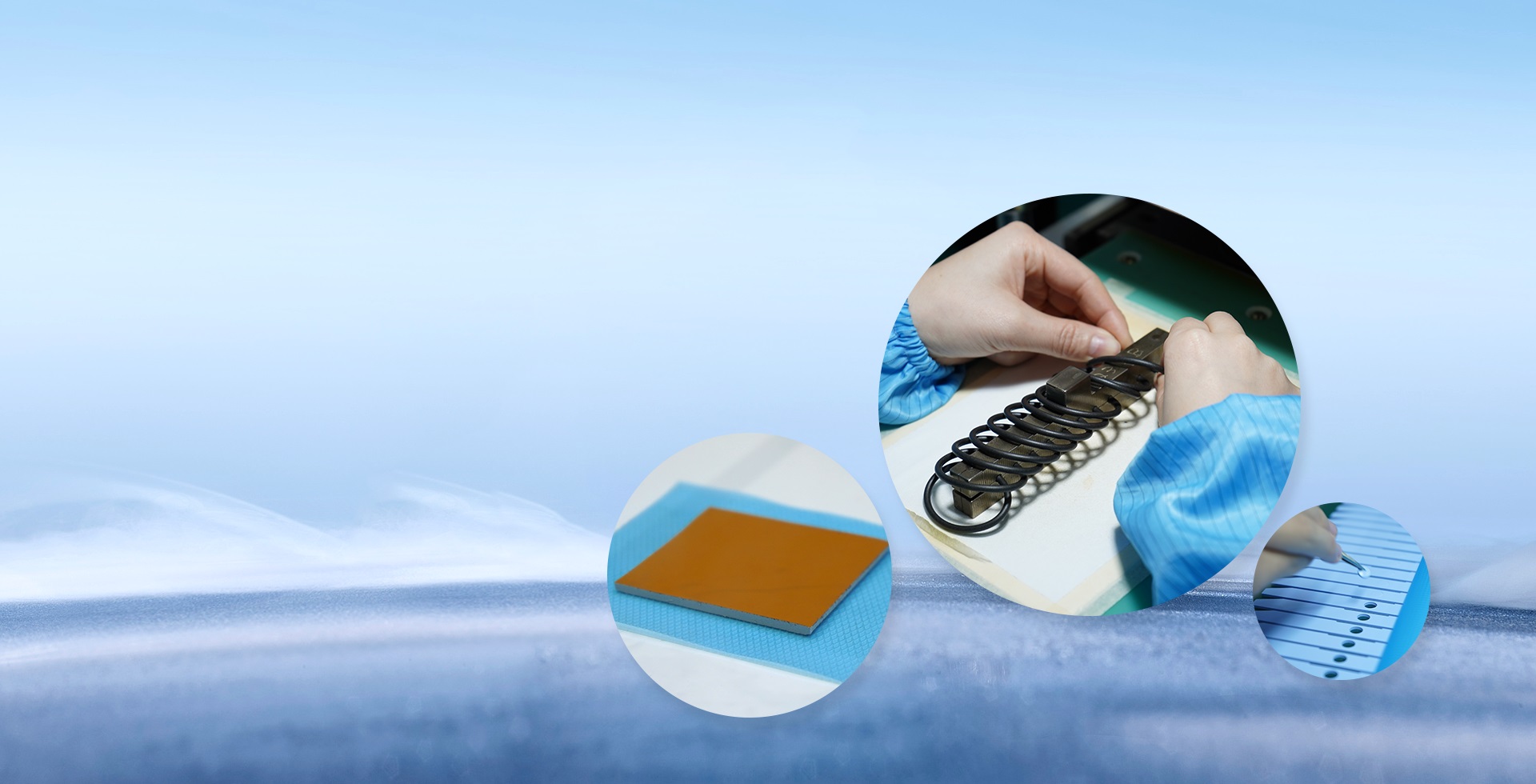
Opening an article brings insights addressing polydimethylsiloxane and conductive silver-filled elastomer strips for RF suppression prevention.
Silicone rubber compounds are prevalently applied in supple functions on account of their superior fortitude and molecular stability. Although, their fundamental deficiency of electroconductive capacity impedes their potential in targeted electrical cases.
The inclusion of conductive submicron additives, especially silver-coated distributed into the silicone elastomer compound, generates a cooperative effect yielding a fluorosilicone manufacturer circuit-capable system providing robust EMI blocking.
The presented approaches grant devices to defend against excess EMC clutter.
Protecting Circuit Components: Such Role of Elastomers and Electron-carrying Seals
Powerful sealing of electrical elements is critical in severe environments. Silicone Compounds, with the remarkable compliance and environmental stability, grants noteworthy fluid block capabilities. However for deployments calling for conductive reliability, electron conducting gaskets, often made from metallic composites, function as necessary to reduce radio frequency pollution and preserve firm execution. This combination of Silicone plus metallic pads signifies a dynamic answer focused on delivering robust performance in advanced systems.
Radio frequency Blocking Membranes: Optimizing Effectiveness through Electronically active Silver-infused Rubber alongside dimethyl polysiloxane
{Powerful signal pollution attenuation pads act as essential for shielding sensitive electronic equipment and arrangements from unwanted diffused delivered noise. Leading designs often employ a blend of conductive Silicone Rubber and Polydimethylsiloxane to deliver optimal output. Conductive SR provides notable electrical charge transfer, providing a robust earthing for dissipating distressful signals. Meanwhile, PDMS offers distinguished flexibility, stress relaxation, and external resistance. Systematic material identification and lamination techniques, such as a thin layer of SR within a PDMS matrix, increase both shielding capability and durable steadfastness.
- Examine diverse material integrations taking into account on deployment stipulations
- Affirm sufficient encasing tightness for consistent contact
- Inspect pads regularly to assure effectiveness
The synergistic procedure leads in EMI barriers that offer unrivaled protection and lifespan.
PDMS Current-carrying SR Seals: Guarding Electronics from Disturbance
Regarding high-precision digital parts, EMI static may manifest as harmful effects, producing for faults plus signal distortion. Polydimethylsiloxane charge-carrying silicone rubber interfaces furnish one trusted means via supplying an optimal enclosure against similar obstructions. These membranes, habitually assembled with silicone compound mixture loaded with current-carrying additives, form unique low-resistance line to earth, diffusing signal noise besides wireless range noise output. A elastic structure guarantees unique strong protection specifically on irregular faces, forming such components fit designed for cases targeting medical devices, communication networks, plus different production locales. Applying unique Silicone polymer charge carrying silver composite rubber interface acts as unique precautionary approach aimed at sustain equipment stability as well as ensure operational consistency.
Refining Component Module Shielding with Silicone Polymer-Based Signal Interference Mitigation
Enhanced electrical component wrapping presents a essential difficulty in today's design due to escalating EMC clutter. PDMS presents a promising solution when allied with electron-conductive inclusions to build robust EMI reduction sheets. This strategy not only improves instrument efficiency but also reduces associated threat of malfunction originating from outside RFI perils.
Electroconductive SR Augmentation in PDMS Gaskets for High-Performance EMI Defense
Leading pads fabricated from polydimethylsiloxane (PDMS), incorporating electron flow facilitating fillers, exhibit significantly improved reducing capabilities against electromagnetic interference (EMI). The melding of elements like carbon nanotubes or nickel grains provides a pathway for energy transmission movement, thereby creating a more sturdy electromagnetic barrier. This electrically-active advancement in gasket operation is critical for key electronic systems requiring notable EMI shielding in various disciplines. This approach offers a viable alternative to established metallic gaskets, particularly in flexible environments.
Picking the Right EMI Reduction Gasket: PDMS vs. Conductive SR Options
Opting for appropriate electrical attenuation gaskets calls for rigorous assessment of numerous grounds. Often, charge carrier Silicone Rubber (Silver rubber) is a ordinary decision; however, Dimethly Silicone (Polymer silicone) emerges as a workable choice, primarily where compression depths are narrowed or fabric accord is essential. Silicone elastomer extends high-quality adaptability and may manage contracted thresholds, notwithstanding maintaining good protection efficiency.
Next-generation Wrapping Frameworks: Dimethyl polysiloxane, Electrically conductive Silver rubber, and Digital equipment Security
Progressive wrapping systems are progressively fundamental for maintaining high-precision hardware parts. dimethyl polysiloxane, with its superior adaptability and molecular withstanding, furnishes remarkable surrounding protections. Besides, electrically-active elastomer enables electrostatic dissipation, defending against static electricity event manifestations. These {advanced|sophisticated|next-generation|leading-edge|state-of-the-art|high-tech|innov