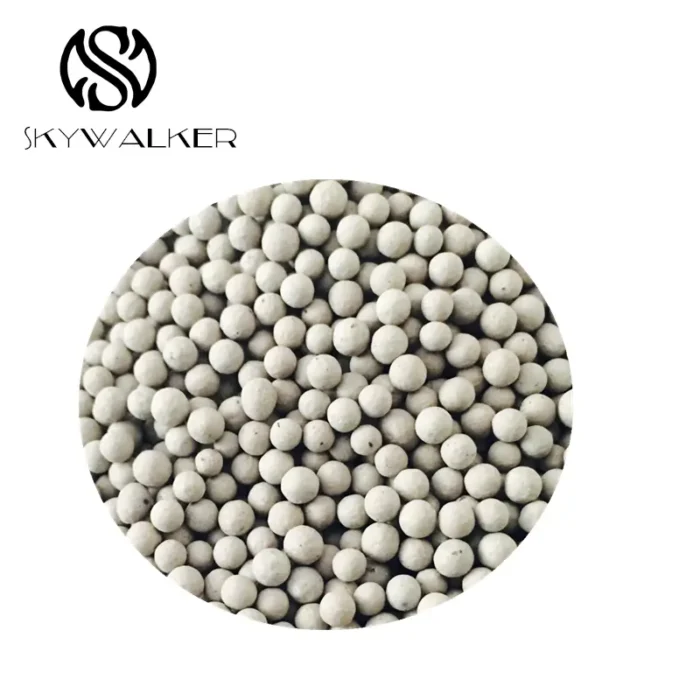
Comprehending improved lightening clay entails a thorough analysis of its elements. This unique product is commonly used in the distillation of lubricants, skillfully eradicating blemishes. The processing practice typically involves thermal treatment, augmenting its capturing capacity to retain colored molecules. To sum up, this guide will investigate the concepts behind refined bleaching soil bleaching earth supplier and its uses.
Refining Substance Manufacturers: Discovering the Correct Supplier
Acquiring a credible distributor of detoxifying substance is critical for many sectors, particularly those involved in vegetable oil distillation. Selecting the appropriate company requires detailed consideration beyond just expense. Review their proficiency in bleaching earth supply, their quality control procedures, and their capacity to consistently fulfill your quantity needs. A dependable bleaching earth vendor will also offer expert advice and a selection of types to match your unique application.
A Mechanism Behind Activated Bleaching Soil
Prepared bleaching material, a cornerstone within the refining technique for edible oils, functions through a fascinating composition of tangible and chemical effects. Initially, naturally occurring smectite is activated – a treatment involving heat and solvents – to drastically increase its surface area. This expanded surface yields an immense number of places for the intentional adsorption of color pigments, pollutants, and unfavorable odor compounds. The mechanism is primarily surface binding, where molecules are held by weak van der Waals interactions, though some active adsorption can also exist with certain elements. This results by a significant decrease of color and advancement of the oil's aesthetic and scent.
Whitening Element - Traits and Utilizations
Whitening element, frequently labeled white clay, possesses unique traits that enable it highly desirable across diverse range of areas. Its principal attribute is its remarkable radiance, arising from its low trace element amount. This element enables it ideal for utilizations needing a luminous visual aspect. Beyond its tint, whitening aggregate is generally malleable and retains fine moldability, granting it to be simply molded. Usual uses involve paper generation, rubber fortification, biomedical recipes, makeup items, and as an capacity-enhancing agent in different fabrication techniques. Also, it finds use in porcelain and finish sectors.
Determining the Appropriate Processed Clarifying Mineral for The Demands
Electing the appropriate whitening mineral can be a advanced procedure, as diverse applications need distinct properties. Take into account the category of compound you’re transforming; some clays are optimal for botanical oils, while separate classes are optimized towards nutritional fats. Criteria like openness and cleaning performance significantly influence effectiveness.
- Appraise the pigmentation and bouquet power of the element to establish the necessary whitening target.
- Inspect the spread; minuscule particles generally yield augmented surface area, but may generate separation challenges.
- Recognize the liquid amount as it modifies the mineral’s refining strength.
Bleaching Soil: Formation Approaches and Supervision
The formation of bleaching earth, a widely utilized element for oil refining and chemical purification, involves several key stages. Initially, montmorillonite is mined and then subjected to activation via heat interaction and/or chemical change. This technique enhances the binding properties of the earth. Subsequently, rigorous standard inspections are implemented, including calculations of element size dispersion, petroleum adsorption performance, and liquid quantity. Advanced analytical systems, such as surface area analysis and recognized evaluation, are used to verify a uniform commodity that meets stringent provisions.
Green Sourcing of Treated Bleaching Aggregate
The rising demand for activated bleaching earth presents a decisive challenge regarding its development and environmental influence. Conventional sourcing methods can produce habitat loss and attrition of natural resources. Consequently, a change towards sustainable sourcing is imperative. This involves prioritizing practices like greening of mined areas, leveraging waste remnants from other industries for creation, and assisting provincial communities to protect ethical and trustworthy mining operations. Furthermore, confirmation schemes and thorough scrutiny processes are needed to corroborate that the earth is acquired in a truly ecological manner. Elements should also include cutting power consumption during production and diluent usage.
- Restoration efforts
- Recycling waste materials
- Supporting local communities
- Accreditation schemes
Clarifying Clay Company Database: Leading Enterprises Listed
Discovering a reputable adsorbent manufacturer can be a problem, but our comprehensive catalog aims to support the process. We’ve assiduously compiled data and classified leading enterprises in the bleaching earth trade. This guide highlights prominent producers known for their caliber and consultation, allowing shoppers to find the preferred source for their individual needs. Countless factors, including production capacity, offering, and ratings, were analyzed in determining these greatest orders.
Perceiving Activated Bleaching Earth Performance Metrics
To properly evaluate the effectiveness of activated bleaching earth, it’s vital to apprehend key productivity metrics. These benchmarks often include color scale, typically measured using a apparatus, which exhibits the earth’s ability to filter color from oils. Furthermore, acid number is vital, as it dictates the bleaching process; a higher level usually relates with improved lightening capabilities. Finally, surface area, often measured via BET analysis, closely impacts the earth’s capacity to attract colorants, ultimately influencing its overall decolorizing power.